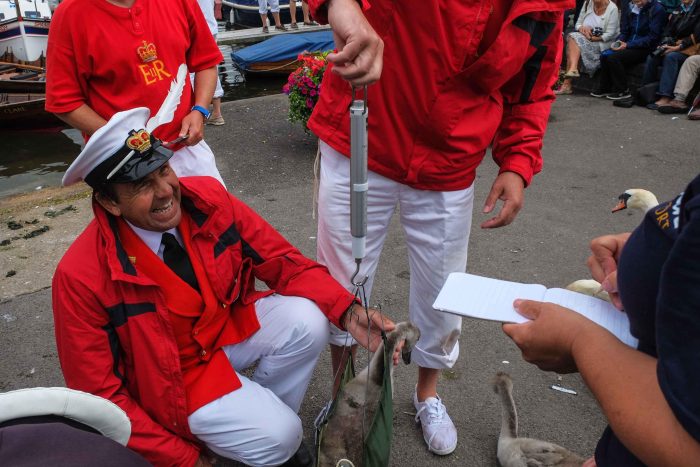

“I’m delighted,” the King’s Swan Marker, David Barber, said when he heard the good news. The swan population had dropped 45% in the past two years due to things like bird flu and by attacks vandals with air guns.
The Royal Swan Upping is an annual census and health check of the king’s swans on the Thames, both the cygnets (young swans) and the adults. The king has the right to claim ownership of any unmarked mute swan swimming in open waters. The right is exercised mainly on certain stretches of the Thames.

This is a five-day event — a flotilla of Barber and his crew rowing six skiffs up the river for 79 miles. The route begins at Sunbury in west London, goes through Middlesex, Buckinghamshire, and Berkshire to Abington Bridge in Oxfordshire. This year they began 13 July and ended 17 July.
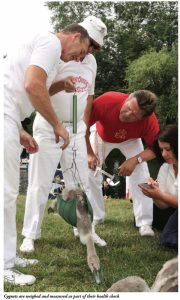
They make approximately 20 stops along the way. The swan uppers count, weigh, check the ID tag, and examine the health of each swan and cygnet. Pollution like boat engine oil needs to be cleaned off. Some even need fishing tackle they have swallowed removed.
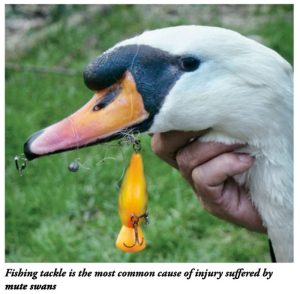
The tradition of doing this began in the twelfth century. Then it was part of the king’s overall inventory taking. It has grown into more of a conservation and wildlife awareness endeavor.
Barber makes presentations to school children who visit the stops. “It is our hope these sessions enrich the education of children about the benefits of conservation and the beauty of wildlife — that they carry this into adulthood and the incidences of vandalism we sadly see today will disappear.”

One of the many spectators watching the event was Colin Thomas from Canberra, but born in Epson in Surrey. He was back in England to make a boating trip through his home county. He was featured in a BBC News article “Why fantastic swan count was must see on UK trip.”
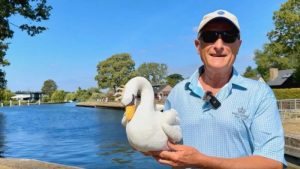
Colin Thomas
“When we heard about it, we just had to pay a visit,” Colin said. “It’s fantastic to see vital wildlife being protected like this.”